Why this place matters
Island of Saint-Louis
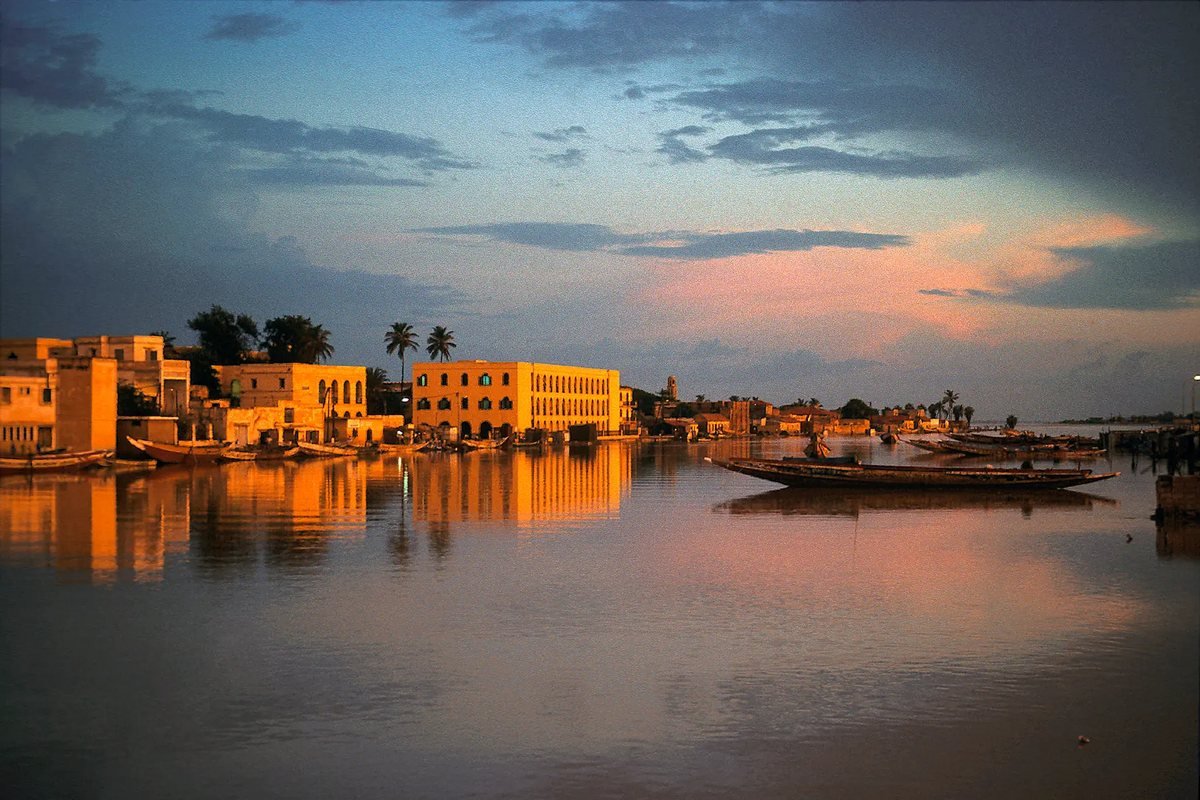
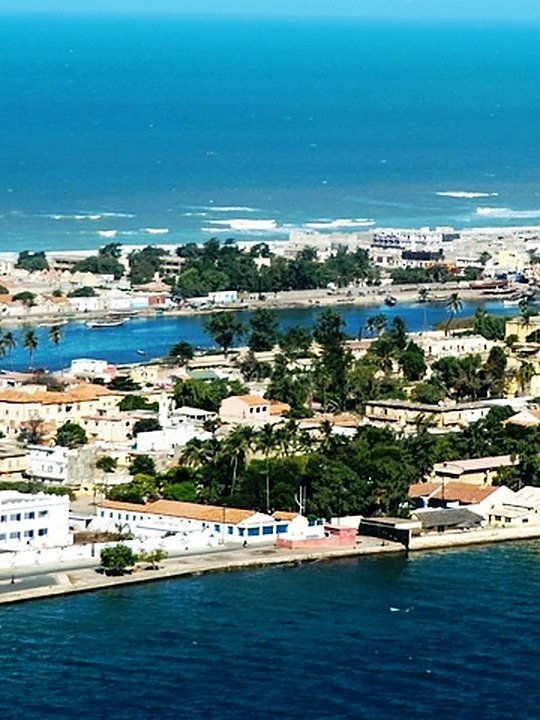
Saint-Louis was born in 1659 from a French trading post set up on the island of N'Dar, in the middle of the river, a few kilometres from the ocean. Capital of the colony of Senegal, then of French West Africa until 1902, it remained Senegal's capital until 1957, when Dakar took over.
The town has kept the regular layout and architecture of that era: merchant houses with balconies and galleries, inner courtyards, river quays, squares and administrative buildings. The Faidherbe Bridge, just over 500 metres long, has linked it to the mainland since 1897; on the other side, on the Langue de Barbarie, the fishing quarter of Guet Ndar lines up its painted pirogues.
For a group, Saint-Louis is best enjoyed on foot or by horse carriage, at the town's unhurried pace: an island tour, an evening on the quays, music, food. It is also the ideal base for Djoudj and the Langue de Barbarie and, on the road from Dakar, for the Lompoul desert.