At a glance

Status
UNESCO World Heritage Site since 2006, shared with The Gambia
In Senegal
Sine Ngayène, near Nioro du Rip, and Wanar, near Kaffrine
Access
About 4 hours by road from Dakar, via Kaolack
Dating
From the 3rd century BC to the 16th century AD
Recommended time
A day for both sites, from Kaolack or the Saloum
Best time
November to February; avoid the hottest hours
On site
Interpretation centre at Wanar, opened in 2023
For groups
Transport, guide and meals: we organise it
Why this place matters

Senegambian Stone Circles

Between the 3rd century BC and the 16th century AD, societies of the Gambia River valley carved standing stones from laterite, one to two and a half metres high, and arranged them in circles around burials. The property inscribed by UNESCO in 2006 brings together four large groups: two in Senegal, Sine Ngayène and Wanar, and two in The Gambia, Wassu and Kerbatch.

Sine Ngayène is the largest group, with more than fifty circles; Wanar has about twenty and, since 2023, an interpretation centre. Excavations at Wanar since the mid-2000s continue to shed light on the funerary rites of these societies.

The site is still little visited, which is part of its appeal. For a group, it fits naturally into a heritage circuit between Dakar, the Saloum Delta and Eastern Senegal, with a guide to explain it.
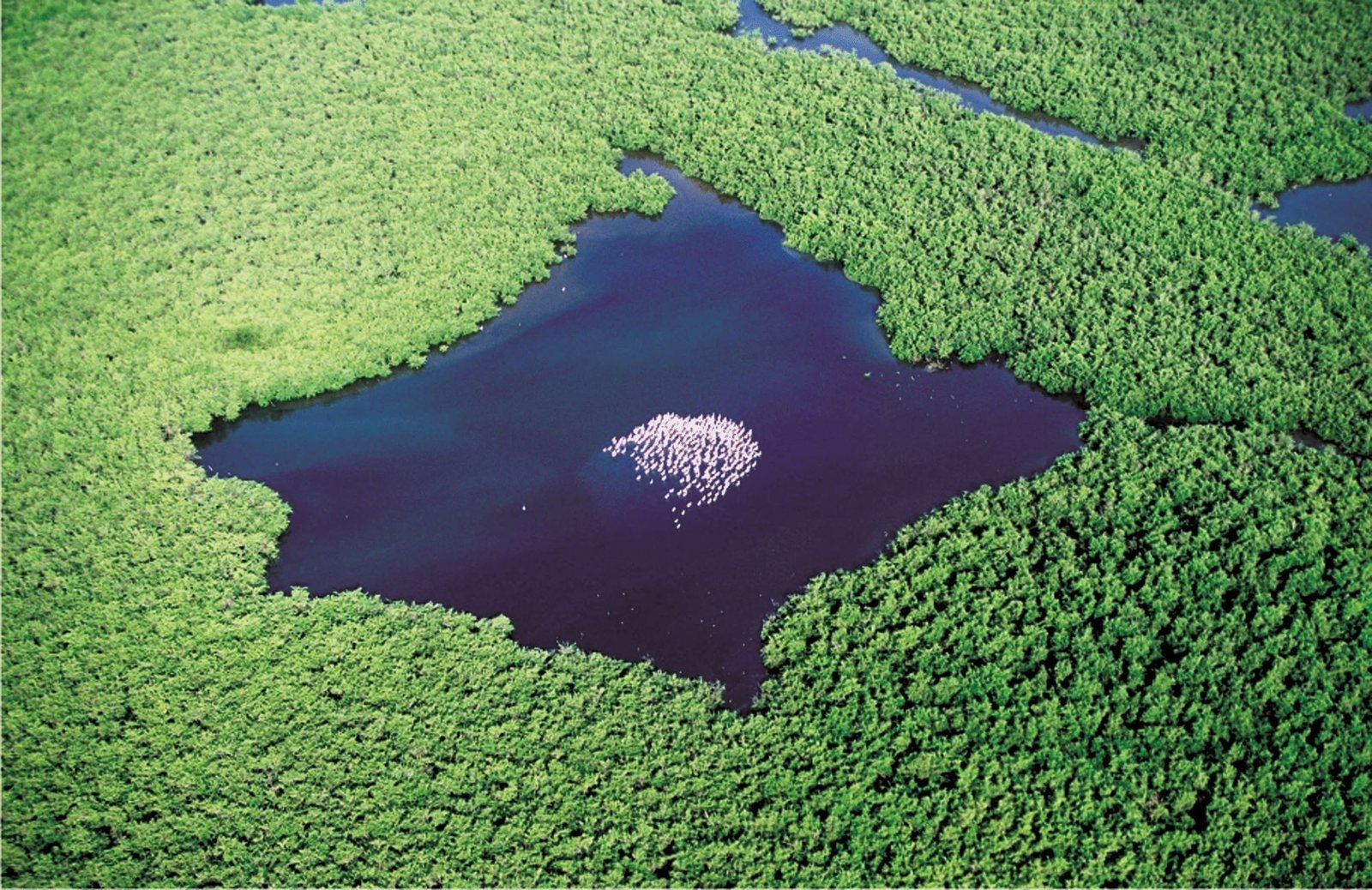
The Saloum Delta, to combine with the stone circles
Visiting

What to know before you go

Logistics, tips and site rules, checked on 13 October 2026.

1

Getting there

From Dakar, the road reaches Kaolack in about three hours. Sine Ngayène lies to the south, towards Nioro du Rip, on the road to The Gambia; Wanar is to the east, near Kaffrine. The last kilometres are on tracks: a suitable vehicle is preferable.

2

On site

The circles are visited on foot, in one to two hours per site. At Wanar, an interpretation centre presents the history of the megaliths and the excavations. Entry fees and guided tours are paid on site; we reconfirm them for each group.

3

Respecting the place

These are burial sites and places of memory. Do not climb on the stones, move anything or take anything away. Drones: prior authorisation.

4

Season and times

The sites are in full sun, with almost no shade: choose the morning or late afternoon, November to February. A hat, water and sun protection are essential.

Groups and incentives

Formats for your group

The circles usually fit into a wider programme. The most requested formats:

Most requested

The heritage circuit

The Saloum Delta, then the stone circles: two World Heritage Sites in three days, with nights in a lodge.

The stop on the road east

A stop of a few hours between Kaolack and Tambacounda, for a group heading to Niokolo-Koba or Bassari Country.

The study tour

Archaeology, West African history, managing a cross-border property: programmes for universities and learned societies.

The cultural delegation

For an official delegation or an association: a guided visit, a meeting with the site's stakeholders, lunch in Kaolack.

The cross-border programme

Wassu and Kerbatch, on the Gambian side, complete the visit, subject to border formalities.

Sample programmes

Three ways to fit it into your programme

Half daySine Ngayène
  1. Leave Kaolack
  2. Drive towards Nioro du Rip
  3. Guided visit of the circles
  4. Return to Kaolack
Full dayBoth sites
  1. Morning: Sine Ngayène
  2. Lunch in Kaolack
  3. Afternoon: Wanar and its interpretation centre
  4. Return
Three daysThe Saloum and the circles
  1. Day 1: drive to the Saloum Delta
  2. Day 2: pirogue and islands
  3. Day 3: the stone circles, then back to Dakar

Indicative timings, set for each group around the season and track conditions.

One request

Organise a visit: Senegambian Stone Circles

Describe your group once: dates, number of people, language, format. We pass your request to the right destination management companies, and their proposals come back to you.

  • A tracking reference for every request
  • Free of charge for the organiser
  • Times and fares reconfirmed for your date
Submit a request → Message us on WhatsApp

Form: reply within 72 working hours. WhatsApp: within the day, Monday to Saturday.

+221 75 552 05 82 · contact@teraltravel.com

Combine with

To round off the stay

Where to stay, who to work with

Accommodation and agencies

Groups stay in the Saloum Delta or in Kaolack. A few examples; in Kaolack, we suggest the hotel that suits your group.

In the Saloum Delta

  • Keur SaloumHotel · Toubacouta
  • Les PalétuviersHotel · Toubacouta
  • Les Collines de NiassamLodge · Palmarin

Destination management companies for the visit

Guides, vehicles, pirogues, accommodation and meals: a single contact for the group.

Accommodation listed as examples, with no guarantee of availability: we suggest what suits your group and your dates. “Verified” marks a profile confirmed by the agency.

Frequently asked questions

Before you plan the visit

How much time should we allow?

One to two hours per site. Both Senegalese sites can be visited in a day from Kaolack.

Can we do a day trip from Dakar?

It is a long day: about four hours by road each way. It is better combined with a night in the Saloum or in Kaolack.

Is there information on site?

Wanar has an interpretation centre. For a group, we arrange a guide for the whole day.

Can we also visit the Gambian sites?

Yes: Wassu and Kerbatch lie across the border. Crossing involves formalities; we check the conditions for your group.

Is the site accessible for people with reduced mobility?

The circles are on flat but sandy ground, with no facilities. Tell us about any needs and we will adapt the visit.

✔ Page checked on 13 October 2026. Sources: UNESCO World Heritage Centre, “Stone Circles of Senegambia”. Access, times and fees taken from sources published by the site managers and tourist information sites; they change and are reconfirmed for each request.

Organise a visit