At a glance

Season
November to April for migrants; all year for resident species
Key sites
Djoudj, Langue de Barbarie, Saloum Delta, Niokolo-Koba
Near Dakar
Somone Lagoon, Popenguine Reserve, Madeleine Islands
Duration
From a weekend to a ten- to twelve-day tour
Group size
Six to fifteen people: the right size for pirogues and guides
Guides
Naturalist guides in French and English, on request
In the parks
Entry fees and a licensed guide mandatory
Tour operators
Series of departures over the season, one request
Why Senegal

A major stopover on the migrants' route

Senegal lies on the East Atlantic flyway, one of the great bird routes between Europe and Africa. After crossing the Sahara, the wetlands of the Senegal River are the first stopover; further south, the Saloum Delta and the Petite Côte host waders, terns and gulls. From November to April, these sites gather numbers rarely seen elsewhere.

These migrants join the African species found all year round: bee-eaters, rollers, hornbills, turacos and sunbirds in the savannahs and gallery forests, raptors above Niokolo-Koba. A single trip can take you from the pelicans of Djoudj to the savannah birds of Eastern Senegal.

For tour operators and nature clubs, the country has two strengths: direct flights from Europe and reasonable distances. Djoudj is five hours by road from Dakar, the Saloum three: a week is enough to cover the main sites without days lost on the road.
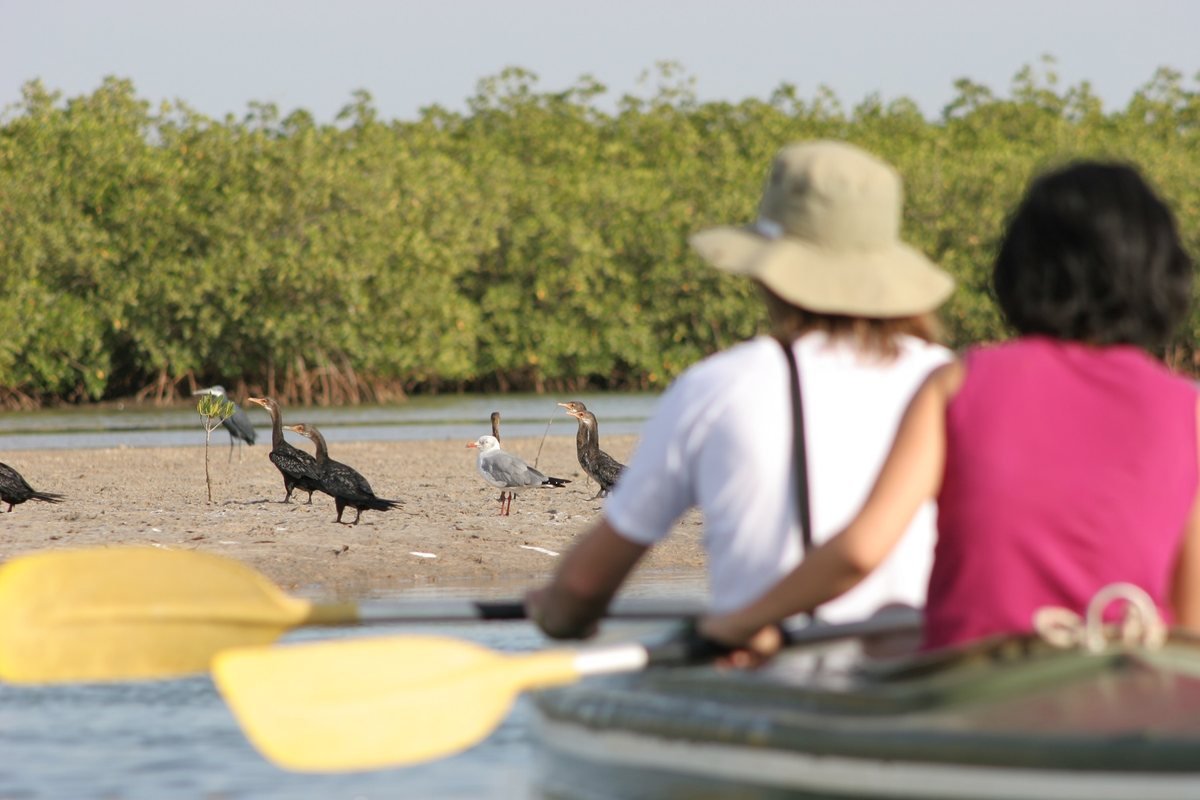
Cormorants, a gull and a heron on a mangrove sandbank
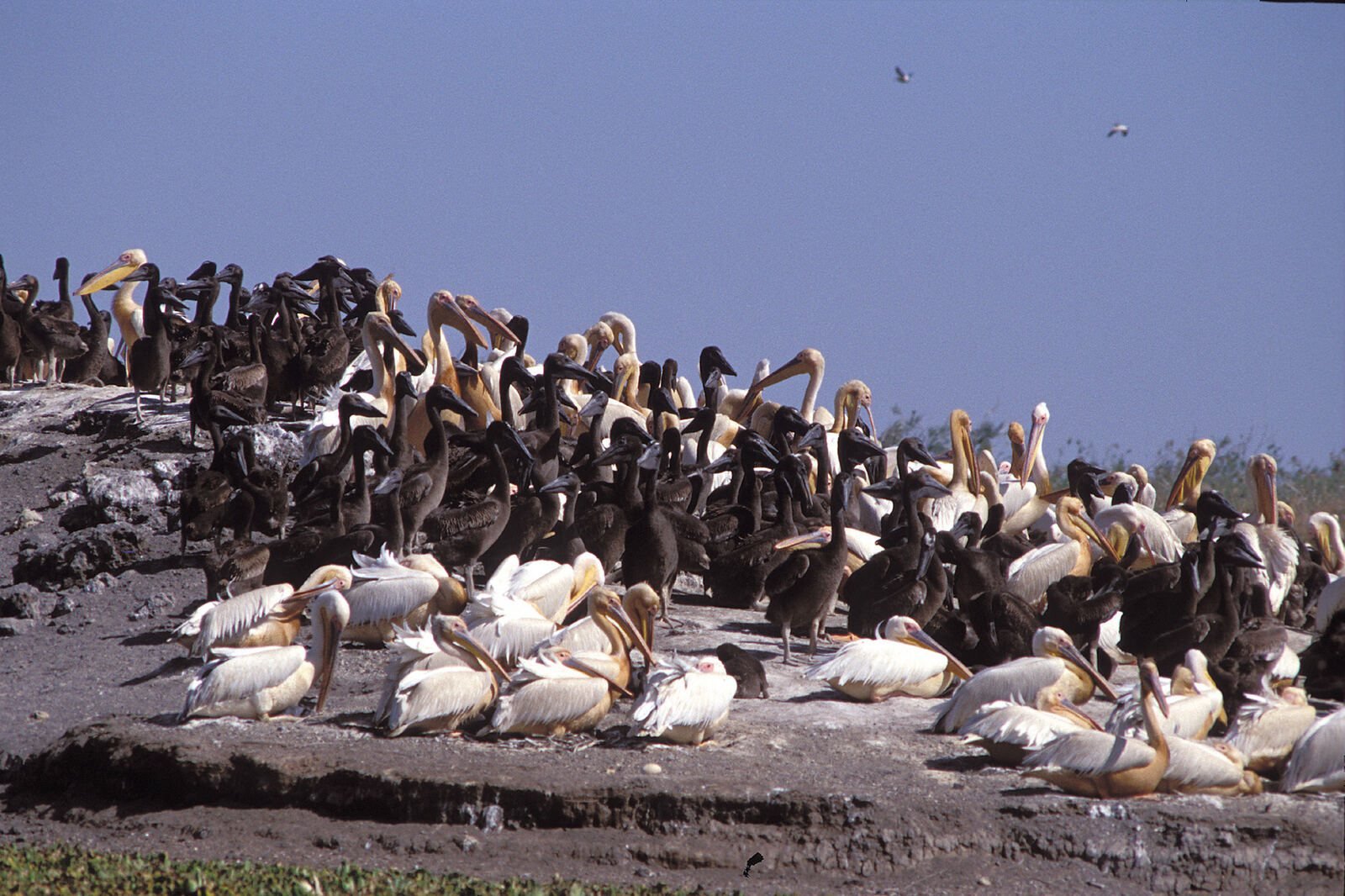
Pelican colony at Djoudj
Visiting

What to know before you go

Logistics, tips and site rules, checked on 13 October 2026.

1

The sites, from north to south

Djoudj and the Langue de Barbarie around Saint-Louis; the Somone, Popenguine and the Madeleine Islands near Dakar; the Saloum Delta and its islets; Niokolo-Koba and the Kédougou hills for savannah species. Each site has its season: the calendar below helps you build the itinerary.

2

Conditions on the ground

The best hours are early morning and late afternoon. In the wetlands, birdwatching is often done by pirogue or kayak; in the savannahs, by four-wheel drive and on foot, with a guide. Bring binoculars, a telescope for open water, a hat and sun protection.

3

Park rules

In national parks, visits are with a licensed guide, after paying the entry fees. Keep away from colonies during the nesting season, stay on the tracks and never feed the animals. Drones and professional filming: prior authorisation.

4

Guides

Park guides, naturalist guides, tour leaders: we book the guide suited to the group's level. Ask to see their official guide card; for a group of keen birdwatchers, say so in your request.

The calendar

Where to go, month by month

The migrant season runs from November to April; resident species can be seen all year. Djoudj and Niokolo-Koba close during the rainy season.

JFMAMJJASOND
Djoudj
Langue de Barbarie, Guembeul
Somone and Popenguine
Saloum Delta
Niokolo-Koba
Best timePossibleClosed or not advised

General guidance for a group. We reconfirm openings and access for each date.

Groups and incentives

Formats for your group

From specialist tour operators to corporate groups curious about nature, the most requested formats:

Most requested

The wetlands tour

A week from Djoudj to the Saloum: Saint-Louis, Djoudj, the Langue de Barbarie, the Somone, the Saloum Delta. The classic itinerary of the migrant season.

The tour operator series

For tour operators and nature clubs: several departures over the season, the same guides and accommodation, one request for the whole series.

The birdwatching weekend

Two or three days around Saint-Louis or in the Saloum, for a group staying in Dakar.

The seminar nature outing

A morning at the Somone or a day at Djoudj: a break everyone can enjoy, with a guide who brings it to life.

The photography trip

For wildlife photographers: dawn starts, pirogues reserved for the group, time to linger on site. Professional filming: prior authorisation.

Sample programmes

Three sample itineraries

The weekendSaint-Louis and Djoudj, 3 days
  1. Day 1: drive from Dakar to Saint-Louis
  2. Day 2: Djoudj by pirogue
  3. Day 3: Langue de Barbarie and Guembeul
  4. Return to Dakar
One weekFrom Djoudj to the Saloum, 7 days
  1. Days 1 to 3: Saint-Louis, Djoudj, Langue de Barbarie
  2. Day 4: the Somone Lagoon
  3. Days 5 and 6: the Saloum Delta by pirogue
  4. Day 7: return to Dakar or the airport
The grand tourWith Eastern Senegal, 10 to 12 days
  1. The North: Djoudj and the Langue de Barbarie
  2. The Saloum Delta and its islets
  3. Niokolo-Koba: savannah birds
  4. Kédougou and Dindéfelo
  5. Return via Tambacounda

Indicative itineraries, adjusted to the group's level, park openings and flight times.

One request

Plan a birdwatching trip

Describe your group once: dates, number of people, language, format. We pass your request to the right destination management companies, and their proposals come back to you.

  • A tracking reference for every request
  • Free of charge for the organiser
  • Times and fares reconfirmed for your date
Submit a request → Message us on WhatsApp

Form: reply within 72 working hours. WhatsApp: within the day, Monday to Saturday.

+221 75 552 05 82 · contact@teraltravel.com

Combine with

To round off the stay

Where to stay, who to work with

Accommodation and agencies

Lodges and hotels close to the sites, as examples:

In the North, around Saint-Louis

  • Ranch de BangoOn the Lampsar river · Bango
  • Lodge Océan & SavaneLodge · 30 km from Saint-Louis
  • Hôtel de la PosteHistoric hotel · Island of Saint-Louis

In the South, Petite Côte and Saloum

  • Les Manguiers de GuéréoHotel · Somone Lagoon
  • Les Collines de NiassamLodge · Palmarin
  • Keur SaloumHotel · Toubacouta

Destination management companies for the visit

Naturalist guides, vehicles, pirogues and accommodation: a single contact for the group.

Accommodation listed as examples, with no guarantee of availability: we suggest what suits your group and your dates. “Verified” marks a profile confirmed by the agency.

Frequently asked questions

Before you plan the visit

When is the best season?

November to April for migrants from Europe, peaking from December to March. Resident species can be seen all year, but Djoudj closes from May to October and Niokolo-Koba's tracks become difficult in the rains.

How many days should we plan?

Three days for Djoudj and the Langue de Barbarie from Dakar; a week to add the Somone and the Saloum; ten to twelve days with Eastern Senegal.

Can we have an English-speaking naturalist guide?

Yes, on request and subject to availability in the season. State the language and the group's level in your request; for a series of departures, we book early.

What group size?

Six to fifteen people works well: pirogues and vehicles suit it, and everyone benefits from the guide. Beyond that, we organise sub-groups.

Do you work with tour operators?

Yes. Teral Travel passes requests from tour operators and nature clubs to the right destination management companies: one request for one departure or a series, proposals that come back to you, and you contract directly with the agency you choose.

Can we take photos and film?

Leisure photography is free, within the park rules. Professional filming and drones: prior authorisation, to mention in your request.

✔ Page checked on 13 October 2026. Sources: UNESCO World Heritage Centre, “Djoudj National Bird Sanctuary” ; UNESCO World Heritage Centre, “Saloum Delta” ; UNESCO World Heritage Centre, “Niokolo-Koba National Park”. Access, times and fees taken from sources published by the site managers and tourist information sites; they change and are reconfirmed for each request.

Plan a trip