Getting there
From Dakar, the road runs through Tambacounda, the recommended overnight stop; the park's main entrance is a little over an hour's drive further south, on the Kédougou road. For a group, we recommend splitting the journey in two.
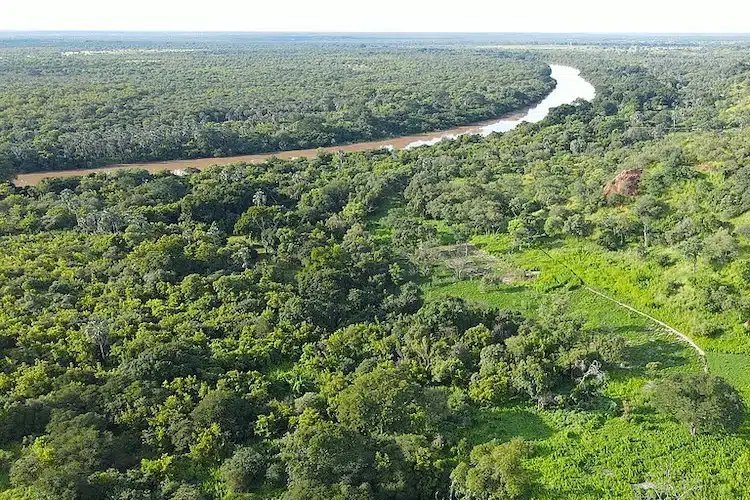
Senegal's largest national park: over 900,000 hectares of savannah, gallery forest and the meanders of the Gambia River, at the gateway to Eastern Senegal. A trip of two or three days, by four-wheel drive with a licensed guide, for lovers of wide open spaces.
Established in 1954 and inscribed on the World Heritage List in 1981, Niokolo-Koba protects one of the last great savannah landscapes in West Africa. The Gambia River and its tributaries, the Niokolo and the Koulountou, shape gallery forests, ponds and floodplains at the foot of Mount Assirik.
UNESCO records some 80 mammal species and more than 330 bird species there. Hippos, crocodiles, baboons, warthogs and antelopes are the most often seen; the Derby eland, the world's largest antelope, chimpanzees and the big predators are rare and elusive. The park rewards patience: it is not a guaranteed safari.
Placed on the List of World Heritage in Danger in 2007, the park was removed from it in 2024, after years of work against poaching and to restore habitats. Visiting it with local guides and operators supports that protection.
Logistics, tips and site rules, checked on 13 October 2026.
From Dakar, the road runs through Tambacounda, the recommended overnight stop; the park's main entrance is a little over an hour's drive further south, on the Kédougou road. For a group, we recommend splitting the journey in two.
Visits are by four-wheel drive, with a licensed guide, on tracks that follow the river and the ponds. The best hours are early morning and late afternoon; at midday, wildlife takes cover. Short walks are only ever guided.
The park can be visited from December to May. In the rainy season, June to October, the tracks become impassable. Late in the dry season it is very hot, but animals gather near the water.
A licensed guide is mandatory: ask to see their official card. Only leave the vehicle at authorised points, respect the speed limits and never feed the animals. Drones and filming: prior authorisation. For malaria prevention, ask your doctor's advice before travelling.
| J | F | M | A | M | J | J | A | S | O | N | D | |
|---|---|---|---|---|---|---|---|---|---|---|---|---|
| Niokolo-Koba | ||||||||||||
| Bassari Country, Dindéfelo |
General guidance for a group. We reconfirm the park's opening and track conditions for each date.
Niokolo-Koba suits small groups, in four-wheel drives. The most requested formats:
Five to six days: Tambacounda, Niokolo-Koba, Kédougou, Bassari Country and the Dindéfelo waterfall. The format that makes the long road worthwhile.
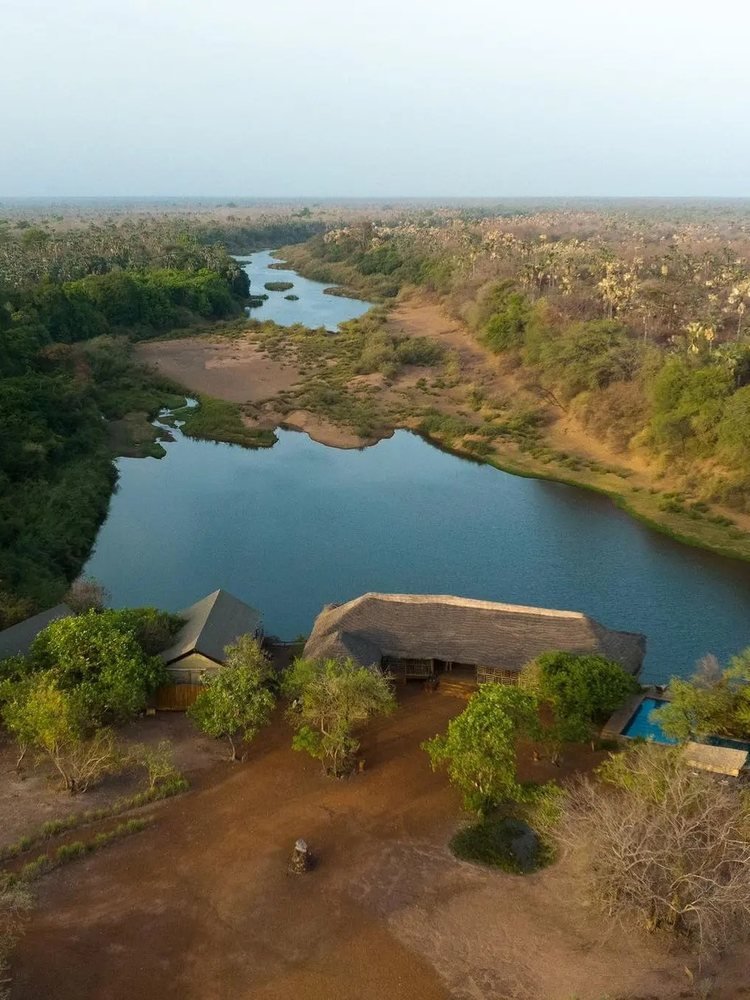
Two or three days on site, with nights by the Gambia River and outings at dawn and at dusk.
Bee-eaters, rollers, hornbills, raptors and river waterbirds, with a naturalist guide.
Universities, NGOs, conservation programmes: meetings with park stakeholders and neighbouring communities, on request.
A few days far from everything, at the river's pace, for a leadership team. Limited connectivity: plan for it.
Indicative programmes, adjusted to the park's opening, track conditions and group size.
Describe your group once: dates, number of people, language, format. We pass your request to the right destination management companies, and their proposals come back to you.
Form: reply within 72 working hours. WhatsApp: within the day, Monday to Saturday.
+221 75 552 05 82 · contact@teraltravel.com
In the park, by the river and in Tambacounda, as examples:
Accommodation listed as examples, with no guarantee of availability: we suggest what suits your group and your dates. “Verified” marks a profile confirmed by the agency.
December to May. The tracks are impassable in the rainy season; we reconfirm the opening for your date.
It is possible, but rare. Hippos, crocodiles, baboons, warthogs, antelopes and birds are easily seen; the big predators and chimpanzees are elusive.
Yes, a licensed guide is mandatory in the park. For a group, we book one in advance, in French or English.
No: allow eight to nine hours by road. Plan a night in Tambacounda on the way and at least two days on site.
A four-wheel drive is essential in the park. We include it in the programme, with a driver who knows the tracks.
Mobile coverage is weak or absent in much of the park. Let family and colleagues know before you go in.
✔ Page checked on 13 October 2026. Sources: UNESCO World Heritage Centre, “Niokolo-Koba National Park”. Access, times and fees taken from sources published by the site managers and tourist information sites; they change and are reconfirmed for each request.